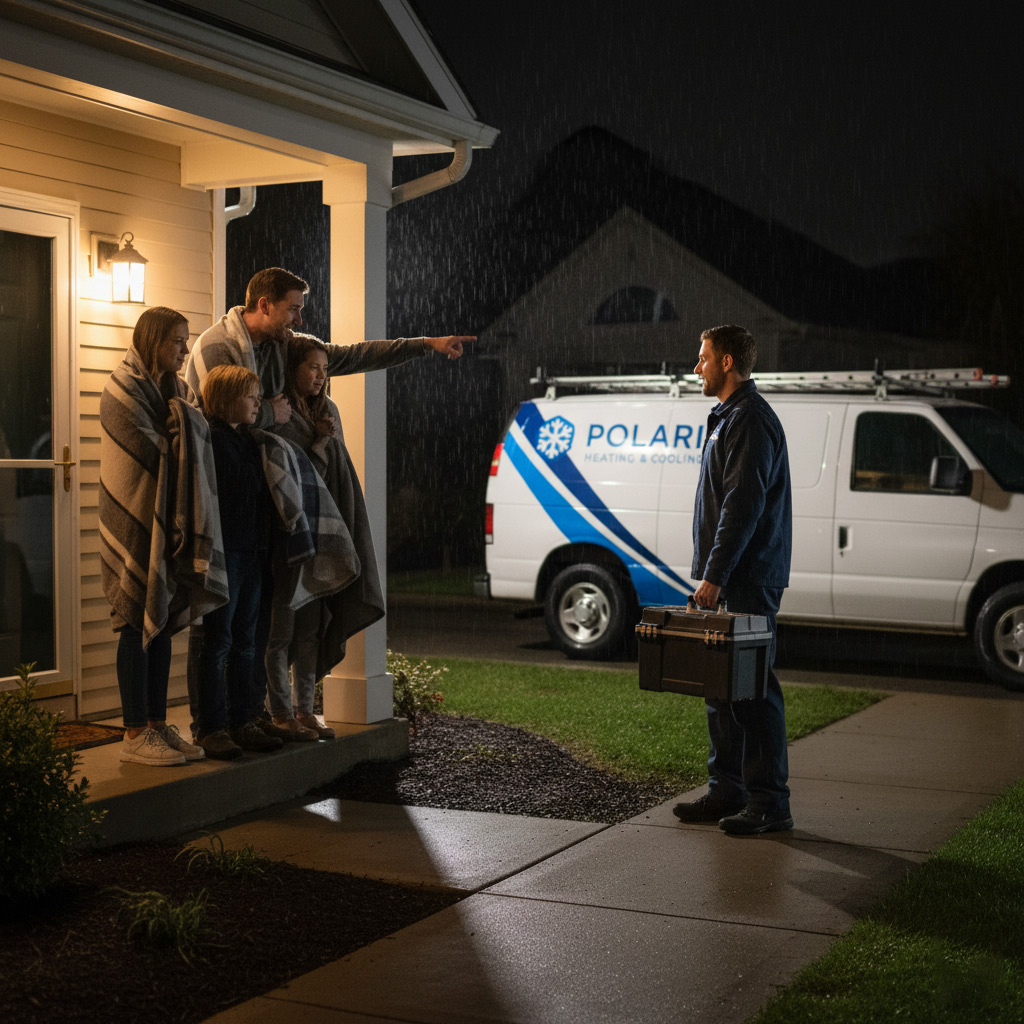
Picture this: you walk through the front door on a scorching July afternoon, and a cool, steady breeze greets you like an old friend. That instant comfort isn’t luck—it’s the result of a job done right the first time.
In Chula Vista, homeowners have learned that a local HVAC crew who knows the micro‑climate, the building codes, and the quirks of older homes makes all the difference. These pros don’t just drop a unit and disappear; they stay until every vent sings in harmony.
Too many families have been burned by cheap installations that spike their bills or break down after a season. The ones who stick with trusted experts avoid those costly surprises and enjoy a system that runs smooth for years.
Now that you see why the right installer matters, let’s uncover the specific reasons Chula Vista residents keep coming back for more.

Understanding Chula Vista’s Micro‑Climate and Its Influence on HVAC Design
Chula Vista sits in a pocket where the Pacific breezes meet inland heat, creating a swing of temperatures that can jump 20 °F from morning to night. That daily roller‑coaster means a one‑size‑fits‑all HVAC system will leave you sweating in summer and shivering in winter. Designs that ignore these shifts end up over‑working the unit, driving up wear and tear.
Key climate quirks you can’t afford to miss
- Coastal fog rolls in during the spring, dropping humidity and demanding a system that can handle moisture swings.
- Evening sea breezes can push cool air into the backyard, so a well‑placed return vent is crucial for balanced airflow.
- Summer heat spikes are often short but intense—think “heat burst” days that push the thermostat past 95 °F.
When a local installer maps these patterns, they can size the compressor, select the right refrigerant, and place ducts where the wind naturally flows. That precision translates to a home that feels comfortable year‑round without the thermostat screaming “set me higher!”
Navigating Local Building Codes, Permits, and Licensing Requirements
What the City Demands
Chula Vista’s municipal code isn’t a suggestion—it’s the rulebook that keeps your home safe and your HVAC system legal. Every new unit must meet the California Energy Code (Title 24) and the city’s ventilation standards, or you’ll face fines and a forced shutdown.
Missing a single requirement can delay the whole project. That’s why a seasoned installer checks the checklist before the first pipe is cut.
Permit Process in a Nutshell
Getting a permit is a three‑step dance: application, inspection, and final approval. The city’s online portal lets you submit paperwork, but a pro knows which forms need a signature from the mechanical engineer.
- Electrical permit for new thermostats or wiring.
- Mechanical permit for ductwork and unit placement.
- Final inspection to verify clearance and efficiency.
When the paperwork is spot‑on, the inspector signs off in days, not weeks.
Why Licensed Pros Save You Money
A contractor with a California C‑46 HVAC license carries the state’s insurance and bonding. That’s your safety net if something goes sideways. Unlicensed work may look cheap, but it can void warranties and leave you on the hook for costly re‑work.
Choosing a licensed crew means they stay up‑to‑date on code changes, pull the right permits, and keep the project moving without surprise stops.
How Professional Installation Enhances Energy Efficiency and Lowers Utility Bills
Precision Sizing Saves Money
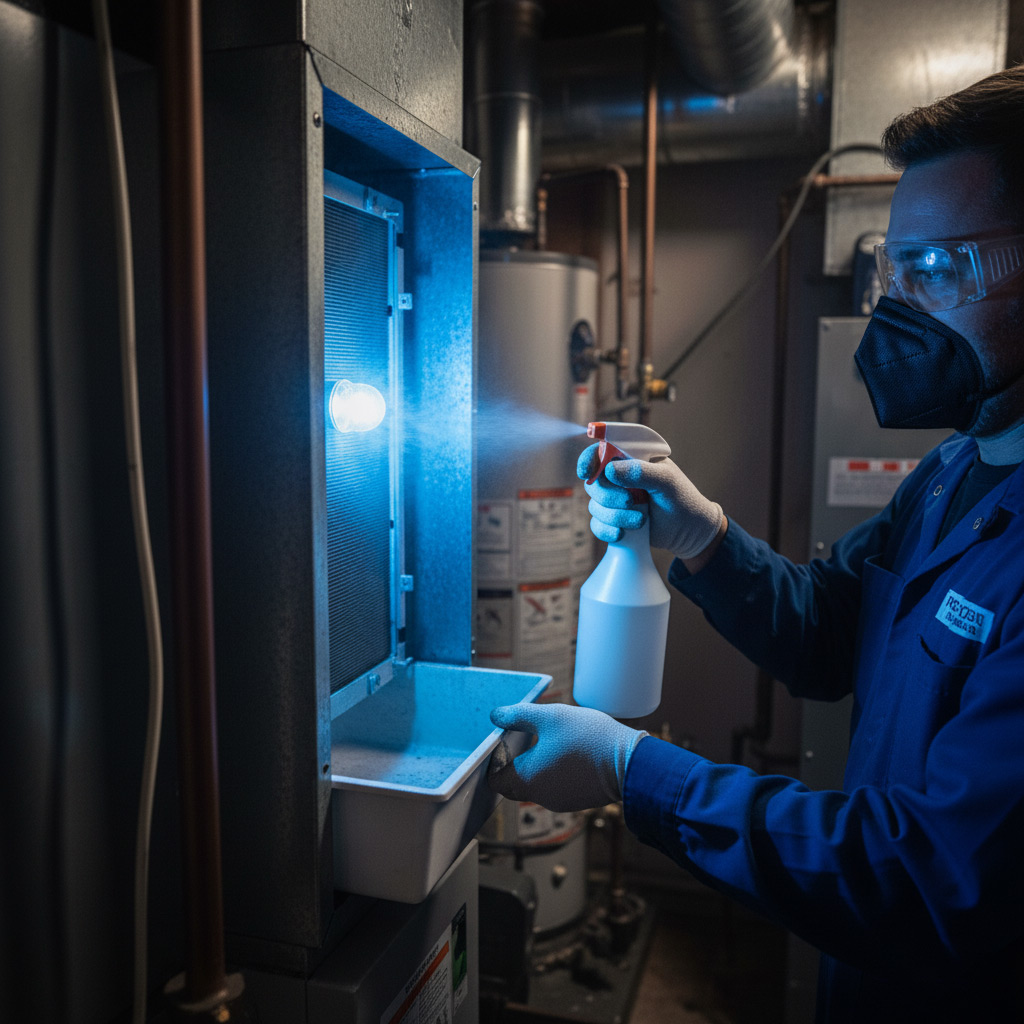
When a certified installer runs a Manual J load calculation, the system lands exactly where it should—no over‑kill, no short‑fall. Right‑size equipment draws less power while keeping every room comfortable.
That precision translates into real dollars:
- Reduced start‑up cycles → lower electricity spikes
- Optimized airflow → consistent temperature without hunting
- Longer component life → fewer replacements, fewer bills
Smart Controls & Commissioning
A pro doesn’t just hook up a thermostat; they program it for the Chula Vista climate, set up zoning, and verify sensor accuracy. Proper calibration means the unit runs only when needed.
During commissioning, the installer checks refrigerant charge, airflow, and pressure drops. Catching a mis‑charge now prevents a 15‑20% waste of energy later.
Seal the Deal with Ductwork
Even the best furnace can’t beat leaky ducts. A certified crew seals joints, insulates runs, and balances pressure so every cubic foot of air reaches its destination.
Result? Your utility meter ticks slower, and you feel the difference the moment you step inside.
Matching the Right HVAC System to Older Homes vs. New Construction in Chula Vista
Older Homes: What to Look For
Historic houses often have tighter budgets and quirky layouts, so a one‑size‑fits‑all unit won’t cut it. Zone‑by‑zone control lets you heat the living room without overworking the attic space.
Key factors to audit before you buy:
- Insulation levels – many pre‑1970 homes lack modern batts.
- Existing ductwork condition – rusted metal or leaky flex can sabotage efficiency.
- Ceiling height and room volume – taller rooms need more airflow.
New Construction: Freedom to Optimize
When the walls are fresh, you can embed the perfect system from the ground up. A variable‑speed heat pump paired with smart thermostats gives you comfort and lower bills from day one.
Design advantages include:
- Pre‑installed insulated ducts that seal themselves.
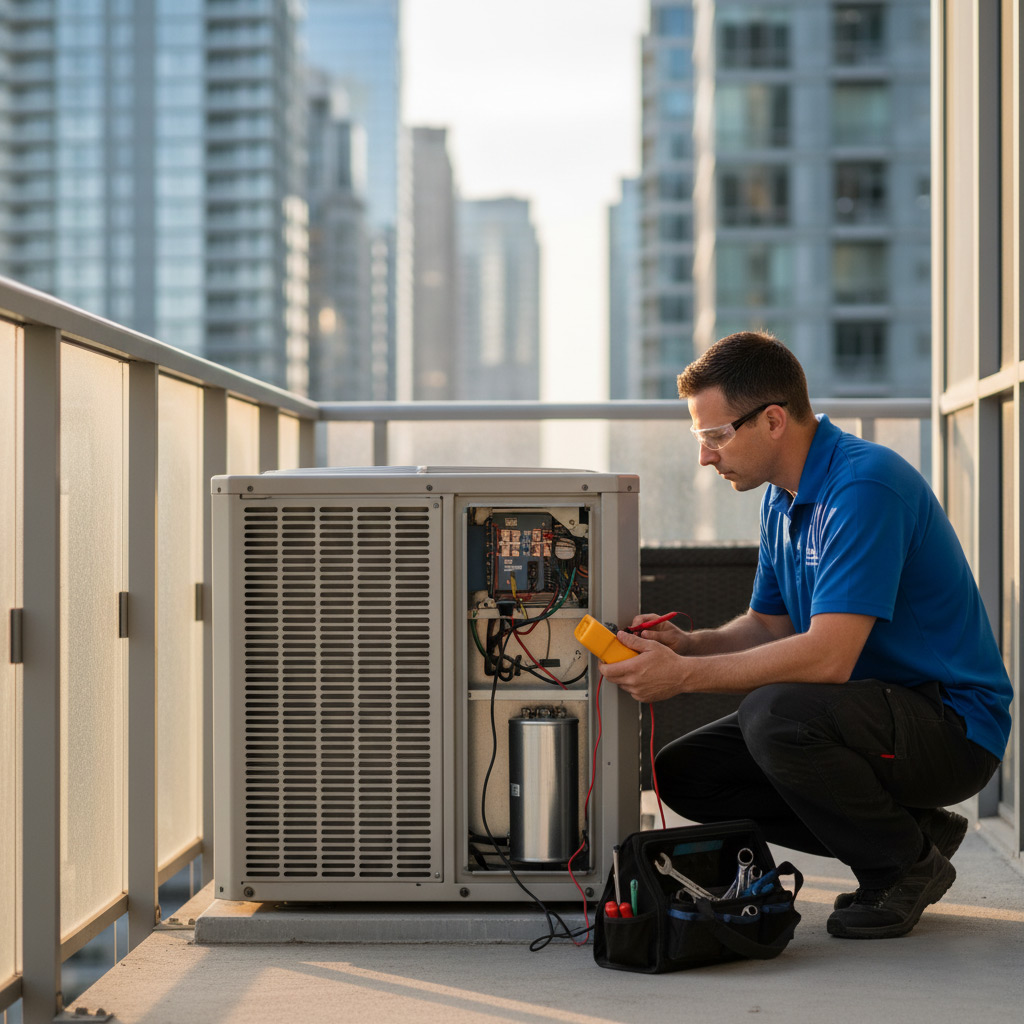
- Space for a dedicated outdoor unit with proper clearance.
- Integration with solar panels – a growing trend in Chula Vista.
Bottom line: older homes need retro‑fit savvy, while new builds reward forward‑thinking specs. Let a local pro run the numbers, match the equipment, and you’ll avoid costly re‑work down the road.
The Critical Role of Ductwork Design, Sealing, and Airflow Balancing
Design Matters
When the duct maze is drawn on a napkin, you’re asking for trouble. A well‑planned layout routes air like a highway, keeping pressure drops low and temperature swings minimal. Right‑size the trunks, keep runs short, and avoid sharp elbows – that’s the secret sauce for a system that actually feels the way it should.
Seal the Deal
Even a perfect design falls flat if the seams are leaking. Gaps as small as a pencil lead can waste up to 30% of the conditioned air, sending your utility meter into a frenzy. Professional sealing with mastic or UL‑rated tape locks the flow where it belongs.
- Inspect every joint, especially around attic access points.
- Use foil‑backed insulation to stop heat creep.
- Pressure‑test the network before the final hookup.
Balance the Flow
Once the ducts are airtight, the next step is making sure each room gets its fair share. A technician will adjust dampers, measure static pressure, and fine‑tune registers until the breeze feels even from the kitchen to the master bedroom. Balanced airflow means lower bills, fewer hot spots, and a system that lasts longer.
Case Study: Revitalizing a Historic Chula Vista Residence with a Seamless HVAC Upgrade
The Challenge
When the owners of a 1920s Craftsman home called, they were terrified. The original furnace was rusted, the ducts were a maze, and every attempt to modernize had left the house colder in winter and hotter in summer. They needed a solution that respected the home’s character while delivering today’s comfort.
The Solution
Our crew started with a full‑system audit, then mapped the existing ductwork on a digital floor plan. We discovered three dead‑ends and a leaky attic crawl space. The plan? Replace the furnace with a high‑efficiency variable‑speed unit, add a discreet mini‑split for the master suite, and seal every gap.
- Custom duct redesign – new insulated runs that follow the original woodwork.
- Air‑flow balancing – each register calibrated to the room’s square footage.
- Smart thermostat integration – the owners control climate from their phones.
Installation took just five days. We kept the historic plaster intact, used low‑profile grilles that blend with the crown molding, and left the property cleaner than we found it. The result? A whisper‑quiet system that cuts the utility bill by 30% and lets the homeowners enjoy their vintage home without compromise.
Final Words
Even the best‑designed system will sputter if you ignore it. A quick, yearly check‑up keeps the compressor humming, the ducts sealed, and your wallet happy.
What to do next
- Schedule a professional inspection before the summer heat hits.
- Ask for a performance report that shows SEER ratings and airflow numbers.
- Keep a log of filter changes – a fresh filter is the cheapest upgrade you’ll ever make.
Ready to lock in comfort for the long haul? Reach out to a local crew that lives and breathes HVAC Installation in Chula Vista. They’ll walk you through the paperwork, the permits, and the perfect system for your home’s quirks.
People Also Ask
What makes HVAC installation experts in Chula Vista more reliable than DIY installations?
Professional installers are licensed, understand the local micro‑climate, and follow city building codes, ensuring systems operate safely and efficiently. They also provide warranties and post‑install support that DIY projects lack.How do local building codes affect HVAC installation in Chula Vista?
Chula Vista’s codes dictate equipment sizing, ventilation rates, and permit requirements to protect homeowners and neighbors. Certified installers navigate these regulations, preventing costly re‑work or fines.Can a proper HVAC installation really lower my energy bills?
Yes—expertly sized equipment, sealed ductwork, and balanced airflow reduce wasted energy, often cutting utility costs by 10‑30%. Incorrect installations can waste up to 30% more energy.Why is ductwork design critical for older homes in Chula Vista?
Older homes often have outdated or leaky ducts that compromise airflow and indoor air quality. Professionals redesign and seal ducts to improve efficiency and comfort without compromising historic features.What should I expect during a HVAC upgrade for a historic Chula Vista residence?
A qualified installer will assess the structure, select discreet equipment, and integrate new ductwork while preserving architectural details. The result is modern comfort with minimal visual impact.
Chula Vista HVAC has been providing reliable heating and cooling solutions to the Chula Vista community for over a decade. Their certified technicians specialize in both residential and commercial systems, ensuring comfort and efficiency with every installation and service. Committed to local service, they prioritize prompt response and personalized care for each client.
Need HVAC?
We provide fast, reliable HVAC service and installation in Chula Vista (91910, 91911, 91913, 91950, 91902) and surrounding neighborhoods, restoring comfort within hours of a call. Our technicians arrive promptly and complete work efficiently to keep your home or business running smoothly.
Request a fast quote