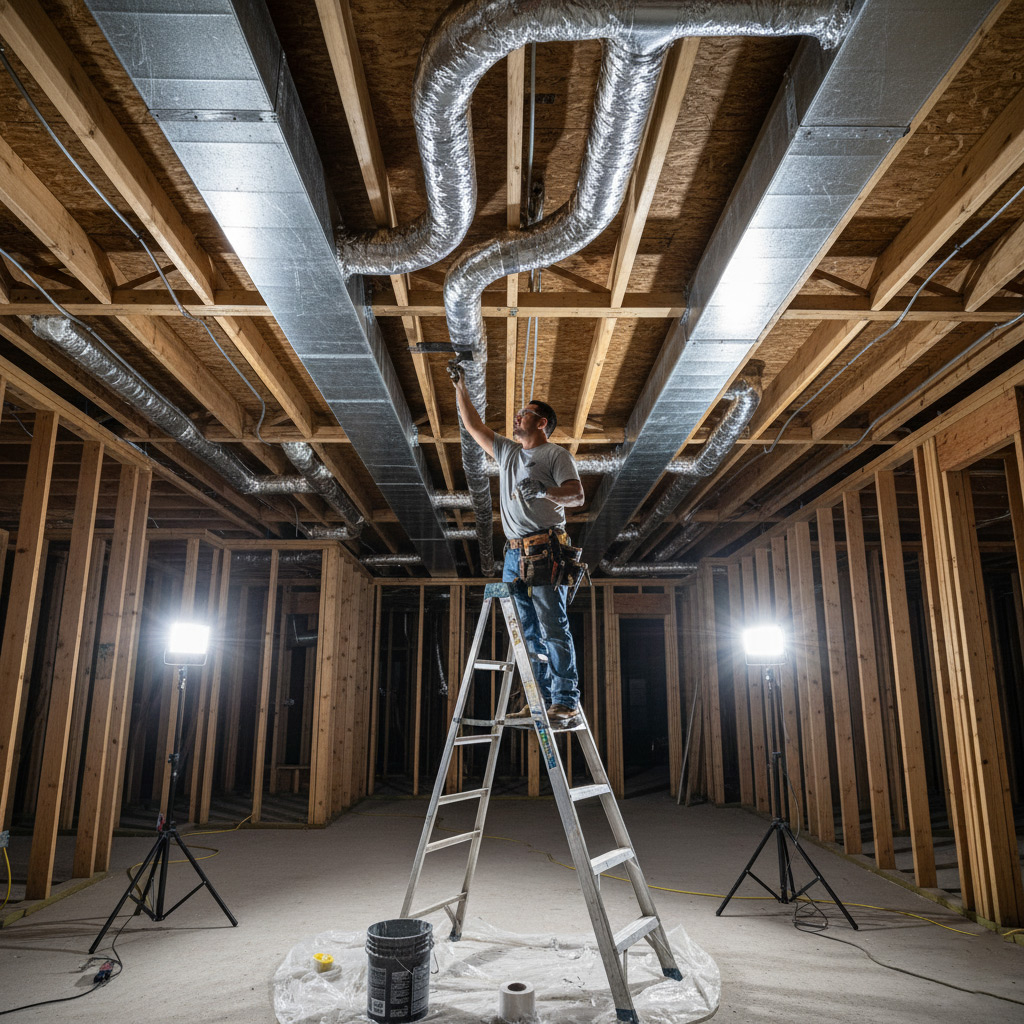
If your AC coughs up a wet clatter on a blistering Chula Vista afternoon, you know the feeling of sweating while the thermostat mocks you. Smart homeowners don’t wait for a breakdown—they treat their HVAC like a prized car, giving it the TLC that keeps it running smooth.
They schedule quick visual checks, swap out filters before dust builds up, and keep an eye on the outdoor unit’s clearance so the desert heat can’t choke it. A few minutes of attention each month saves them from costly emergency calls and endless thermostat tantrums.
Ready to see exactly what the savvy Chula Vista crowd does to keep their indoor climate under control? Keep reading and you’ll walk away with a checklist that turns maintenance into a no‑brainer.
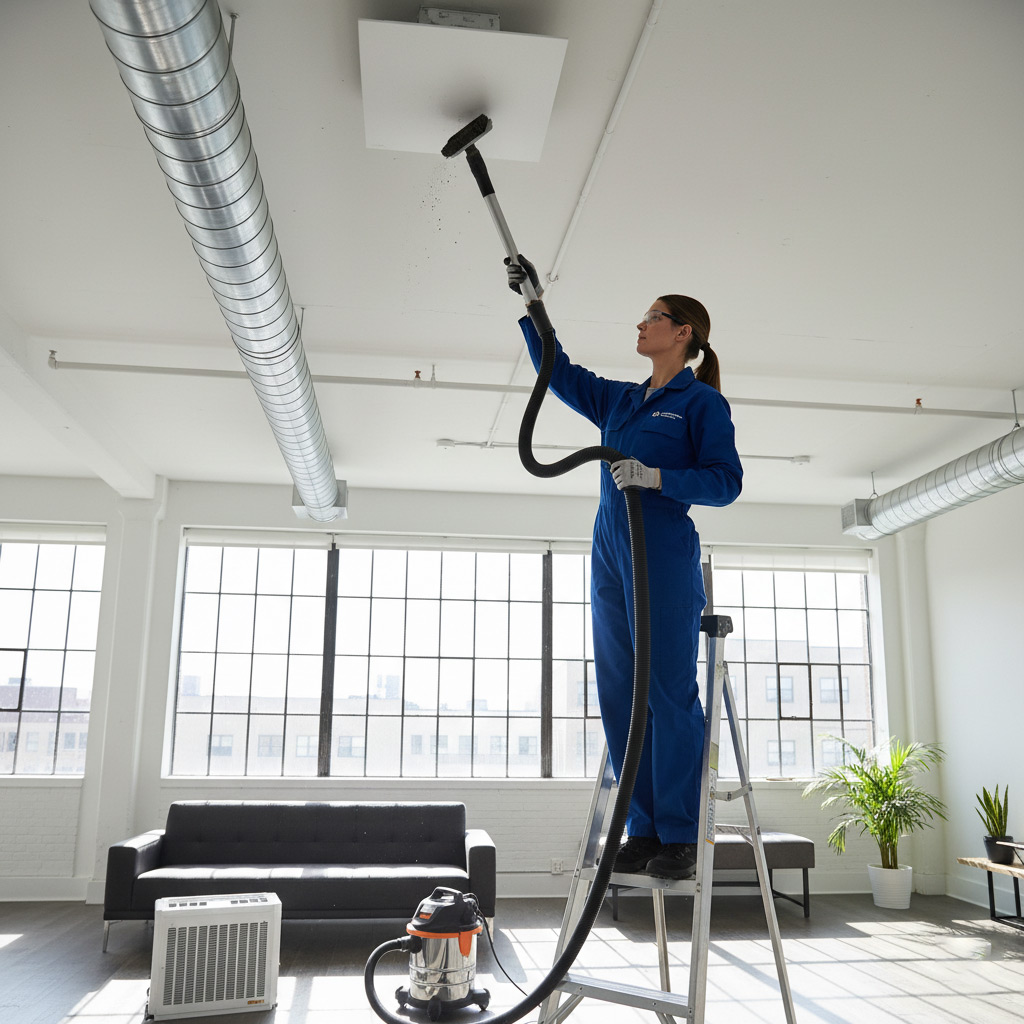
Monthly Visual Inspection Checklist for Early Issue Detection
Smart Chula Vista owners treat their HVAC like a prized race car—regularly checking the gauges before the engine sputters. A quick 10‑minute walk‑around each month can spot a loose wire, a cracked coil, or a sneaky leak before it turns into a summer nightmare. Catch it early, save cash later.
Inside the House: What to Scan
- Turn the thermostat to cool and listen for odd rattles or whirring sounds.
- Open the service panel and glance at the blower motor; any dust buildup or burnt smell? That’s a red flag.
- Check the condensate drain pan for standing water or mold—clear it with a cup of bleach if needed.
Outside the Unit: Quick Scan Steps
- Walk around the outdoor condenser; make sure nothing blocks the 2‑foot clearance zone.
- Look for bent fins or debris clinging to the coils; a garden hose blast can usually fix minor grime.
- Inspect the electrical disconnect box—tight connections and no corrosion mean the system can fire up without hiccups.
Filter Replacement: Choosing the Right Type and Timing for Chula Vista’s Climate
In Chula Vista’s dry‑heat, the filter is the first line of defense against sand, pollen, and that ever‑present coastal dust. Pick a filter that matches your system’s airflow rating – a high‑MERV pleated filter will trap fine particles, while a washable electrostatic panel saves money over time.
But the right filter means nothing if you forget to swap it out. The rule of thumb here is simple: the hotter the month, the faster the filter clogs. During July and August, plan on checking it every two weeks; in milder months, a monthly glance is enough.
Timing Cheat Sheet for Chula Vista Homeowners
- High‑MERV pleated: replace every 30‑45 days in summer, 60 days in winter.
- Electrostatic washable: rinse and dry every 2‑3 weeks when the AC runs daily.
- Fiberglass basic: change every 2‑3 weeks in peak heat, otherwise every 45 days.
Pro tip: keep a spare filter in the garage and set a phone reminder. A quick visual check – hold the filter up to the light – will tell you if it’s time to act before the system starts whining.
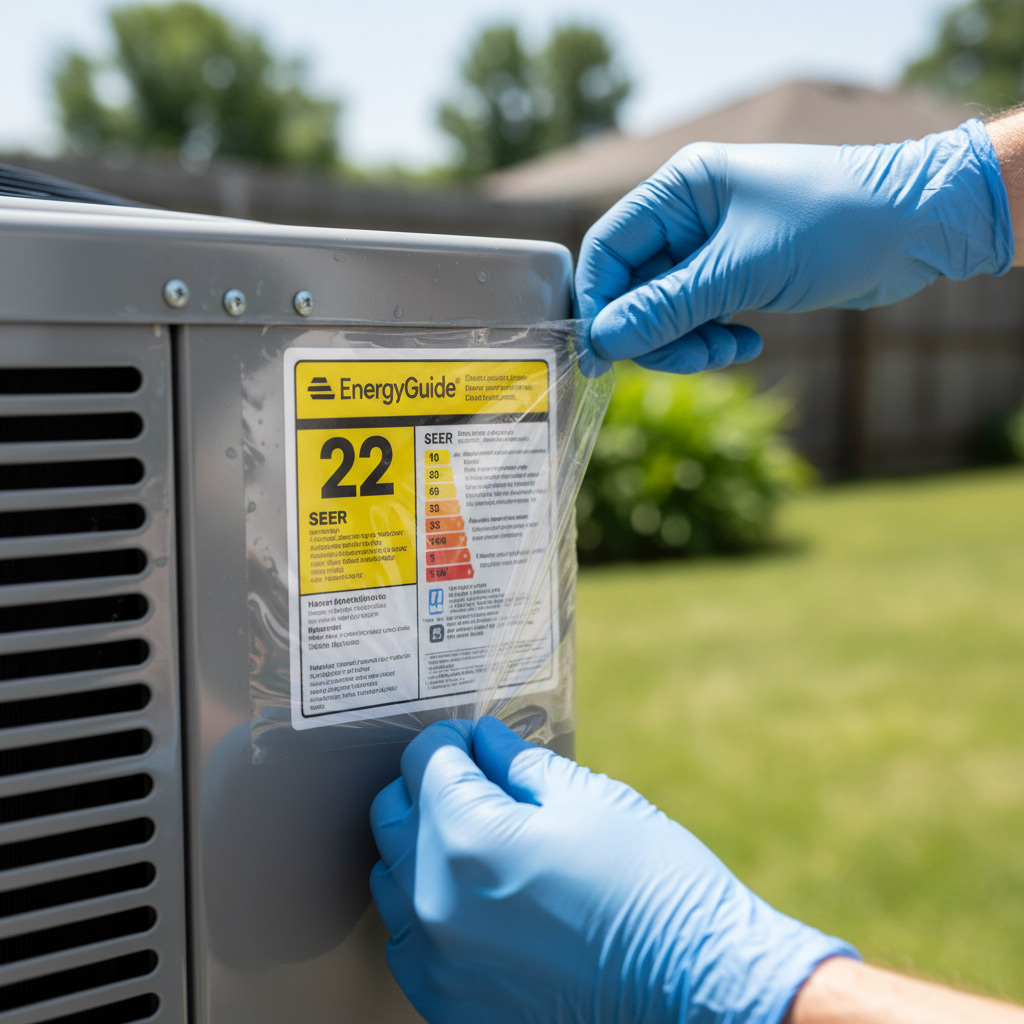
Outdoor Unit Care: Clearing Debris, Maintaining Clearance, and Protecting Against Heat
Clear the Yard, Save Your Money
First thing’s first—walk around the condenser and yank out anything that looks like it belongs in a junk drawer. Leaves, twigs, and even a stray garden hose can choke airflow faster than a traffic jam on the 805.
Quick‑check list:
- Dry leaves and pine needles
- Grass clippings that have built up after mowing
- Pet toys, lawn furniture, or stray tools
Give the unit a gentle brush with a soft‑bristle broom; a vacuum with a narrow nozzle works wonders for stubborn dust pockets.
Give It Space to Breathe
Think of your outdoor unit like a marathon runner—it needs room to stretch. Keep at least 24 inches of clearance on all sides and a clear 3‑foot zone in front.
Why? Without that breathing room, the fan works harder, the compressor runs hotter, and your electric bill spikes.
- Trim back shrubs or bushes that creep closer than 2 feet.
- Remove any stored items (pallets, grills) that block airflow.
- Check the ground for debris that could melt into a sticky mess on hot days.
Heat Shield Tactics
Chula Vista’s sun can turn a modest AC into a furnace. A simple shade sail or a purpose‑built condenser cover can drop the unit’s surface temperature by up to 15 °F.
Don’t go full‑on with a solid roof—air still needs to circulate. Opt for a mesh or perforated shield that lets wind pass while keeping direct rays at bay.
- Install a reflective awning that tilts away from the unit.
- Use a UV‑resistant cover only when the system is off for extended periods.
- Schedule a quick spray of water on scorching days (just enough to cool, not soak).
Seasonal Tune‑Up: When to Call a Pro vs. DIY Maintenance Tasks
Spring Sprint – DIY Checks
When the desert cools just enough to let you open a window, grab a flashlight and run through these quick fixes. You’ll catch most sneaky problems before the heat spikes.
- Inspect the condensate drain – look for clogs, then flush with a cup of bleach‑water.
- Check the thermostat calibration – set it to 72°F and compare the reading to a reliable room thermometer.
- Listen for odd noises from the blower motor; a loose fan blade is often a simple tighten‑up.
Summer Surge – Call the Pros
When the mercury climbs above 90°F, the stakes get higher. A professional eye can spot hidden wear that DIY eyes miss, saving you from a sweltering night.
- Pressure test the refrigerant lines – low charge means the system will struggle and waste energy.
- Inspect and clean the coil fins with a fin‑comb; a pro has the right tools to avoid bending.
- Verify the electrical connections – loose wires can cause short‑circuit trips during peak load.
Schedule a certified technician at the start of each season. A 30‑minute visit can prevent a full‑blown breakdown, and you’ll keep your energy bill from ballooning.
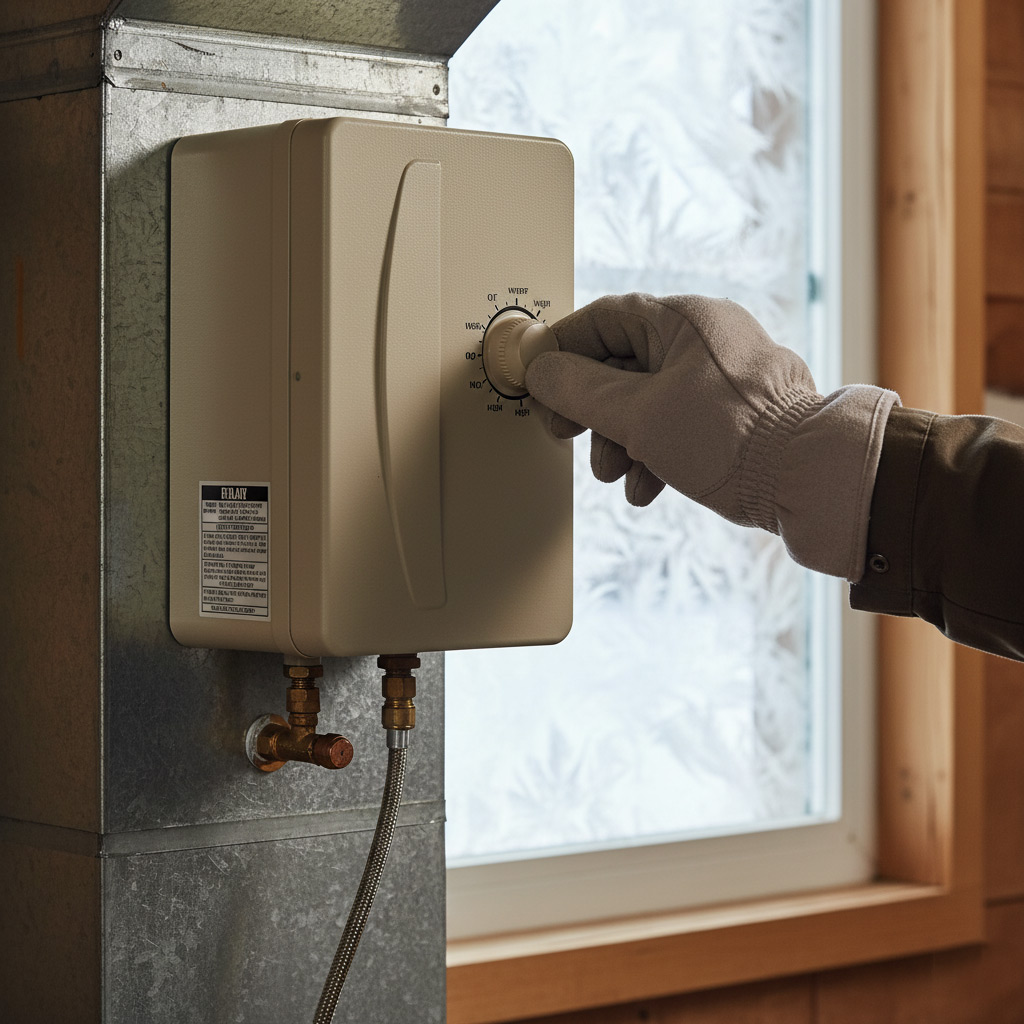
Smart Thermostat Settings and Energy‑Saving Strategies for Year‑Round Comfort
Chula Vista heat can turn a thermostat into a drama queen if you let it. The trick is to let the smart thermostat do the heavy lifting—set a schedule, let it learn, and you’ll see the bill shrink without lifting a finger.
Program the “Comfort‑First” Schedule
Morning: 72°F while you get ready. Mid‑day: let it drift up to 78°F when the house is empty. Evening: drop back to 70°F for sleep. A few taps in the app, and the system knows when to work and when to chill.
Vacation & Away Modes
Leaving town? Flip the vacation mode. The unit will run just enough to keep humidity in check and prevent mold, but won’t waste power trying to stay at a constant 72°F.
Fine‑Tune Fan and Humidity Controls
- Set the fan to “auto” – it runs only when heating or cooling is needed.
- Enable humidity de‑humidify at night; a drier house feels cooler, so you can raise the temperature a couple of degrees.
- Use “eco‑mode” during mild days – the thermostat lets the temperature swing a few degrees before kicking in.
Remember, the smartest thermostat is only as smart as the settings you give it. Take five minutes each season, tweak the numbers, and watch comfort stay high while the electric bill stays low.
Case Study: How Proactive Maintenance Saved a Chula Vista Homeowner 30% on Energy Costs
The Situation
When Maria Lopez moved into her 2,200‑sq‑ft ranch in Chula Vista, her first summer was a nightmare—her AC ran nonstop, and the electric bill hit $350. She blamed the scorching desert heat, not the aging system.
After a quick chat with a local HVAC tech, she learned that a clogged filter and a dusty outdoor coil were the silent culprits draining her power.
The Action Plan
Maria committed to a simple, monthly routine and scheduled a professional tune‑up before the next cooling season. The plan looked like this:
- Filter swap every 30 days – using a high‑MERV pleated filter suited for coastal‑desert dust.
- Coil cleaning during the spring service – a tech sprayed a biodegradable foam and brushed away grime.
- Clearance check around the outdoor unit – removing leaves, toys, and a stray garden hose.
- Smart thermostat recalibration – setting a 78°F night‑time setback and a 72°F daytime comfort zone.
The Payoff
Six months later, Maria’s utility statements told a different story: a $245 bill, a full 30 % drop. The AC ran smoother, the indoor humidity stayed in check, and she never heard that dreaded “wet clatter” again.
She now tells neighbors that a few minutes of care each month beats a frantic service call any day. Proactive maintenance isn’t a luxury—it’s a money‑saving habit.
Final Words
When you treat your HVAC like a prized asset, you dodge the panic‑inducing breakdowns that make Chula Vista summers feel like a sauna. A few minutes each month, a couple of filter swaps, and a quick glance at the outdoor unit keep the system humming and your wallet breathing easy.
One‑Minute Power Moves
- Check the thermostat display for error codes.
- Inspect the coil for dust buildup; wipe with a soft brush.
- Verify the clearance around the outdoor unit is at least 2 feet.
Got a clogged drain line or a sneaky leak? Those hidden culprits can turn a mild inconvenience into a costly repair. Our crew can handle HVAC Maintenance before they become headline news on your next utility bill.
People Also Ask
How often should I visually inspect my HVAC system in Chula Vista?
A quick visual check each month helps catch loose wires, corrosion, or debris early. Look for obvious signs like rust, water leaks, or unusual noises before they become costly repairs.What type of air filter works best for Chula Vista’s climate?
A high‑efficiency pleated filter (MERV 8‑11) balances particle capture with airflow for the warm, dry summers and mild winters. Replace it every 60‑90 days, or sooner if you have pets or high dust levels.Can I clean my outdoor unit myself, and how?
Yes—turn off power, remove leaves and debris, and gently hose the coils from a safe distance. Keep at least a two‑foot clearance around the unit to ensure proper airflow and heat dissipation.When should I call a professional for a seasonal tune‑up?
Schedule a pro inspection before the cooling season (late spring) and before heating season (early fall). A technician can check refrigerant levels, test safety controls, and perform tasks you shouldn’t attempt yourself.Do smart thermostats really save energy in Chula Vista?
Smart thermostats can cut energy use by 10‑15% by optimizing temperature schedules and adapting to local weather patterns. Pair them with regular maintenance for the greatest year‑round comfort and savings.
Chula Vista HVAC has served the Chula Vista community for over a decade, delivering reliable heating and cooling solutions. Their certified technicians combine local knowledge with industry expertise to ensure comfortable indoor environments. Committed to responsive service, they tailor each installation and repair to the unique needs of Chula Vista residents.
Need HVAC?
We provide fast, reliable HVAC service and installation in Chula Vista (91910, 91911, 91913, 91950, 91902) and surrounding neighborhoods, restoring comfort within hours of a call. Our technicians arrive promptly and complete work efficiently to keep your home or business running smoothly.
Request a fast quote