
Ever wonder why some Chula Vista factories keep their HVAC systems humming while the competition is constantly fighting breakdowns? The answer isn’t in a fancy manual—it’s hidden in the daily habits and little‑known tricks that the big players guard like a secret recipe.
What they don’t talk about is how a few strategic tweaks can slash energy spikes, extend equipment life, and keep the production line moving without a hitch. Those tweaks aren’t magic; they’re practical moves that any savvy plant manager can put into action.
If you’re ready to stop guessing and start running a climate‑controlled operation that actually works for you, keep reading.
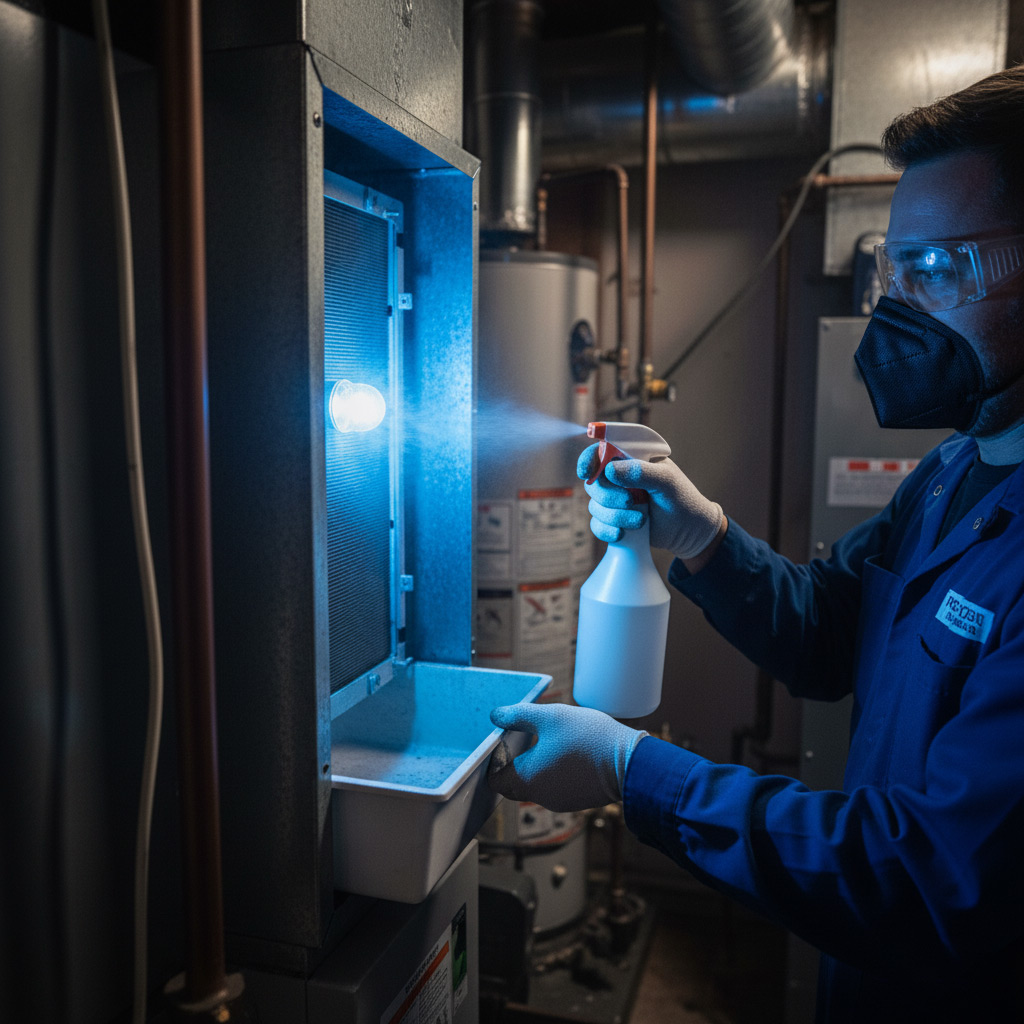
Understanding the Hidden Costs of Inefficient Industrial HVAC
Energy bills that bite deeper than you think
When a plant’s HVAC runs like a leaky faucet, the electric meter spins faster than a conveyor belt. Even a 5% drop in efficiency can add thousands to a monthly bill, and most managers never see that line item until it’s too late.
What’s worse, the extra heat or cold forces other equipment to work harder, creating a domino effect of waste.
Premature wear and tear
Imagine a furnace that’s constantly fighting a draft. It’s the same as a motor that’s always revving at redline. The result? Burn‑out in half the time.
Replaceable parts start showing up on the shop floor sooner, and the cost of a rushed shutdown can cripple production.
Hidden downtime costs
Every minute the HVAC is down, the plant loses output. That loss isn’t just the idle machine; it’s the ripple through labor, inventory, and missed shipments.
Typical hidden costs include:
- Lost labor hours while workers wait for a stable environment.
- Scrap or rework caused by temperature‑sensitive processes.
- Expedited shipping fees to meet customer deadlines.
Impact on product quality
Temperature swings can warp plastics, cause metal fatigue, or spoil coatings. One bad batch can erase weeks of profit, and the blame often lands on “the HVAC” without a clear audit.
Getting a handle on these hidden costs starts with measuring, not guessing.
Proactive Maintenance Strategies That Prevent Unexpected Downtime
Scheduled Inspections
Set a calendar, not a guess‑work routine. A *quarterly* walk‑through catches wear before it becomes a failure.
During each visit, focus on:
- Filter integrity – clogged filters choke airflow.
- Coil cleanliness – grime reduces heat exchange efficiency.
- Seal inspections – leaks waste conditioned air.
Critical Component Checks
Don’t wait for a noisy motor to scream for help. Replace bearings and lubricate shafts on a six‑month cycle.
Use a handheld vibration analyzer; a slight wobble signals a problem. Catch it early, and you avoid a costly production halt.
Team Empowerment
Train operators to spot the red flags: odd smells, temperature swings, or unusual sounds.
Give them a simple checklist and a spare‑part kit. When the crew can act fast, the line keeps moving.
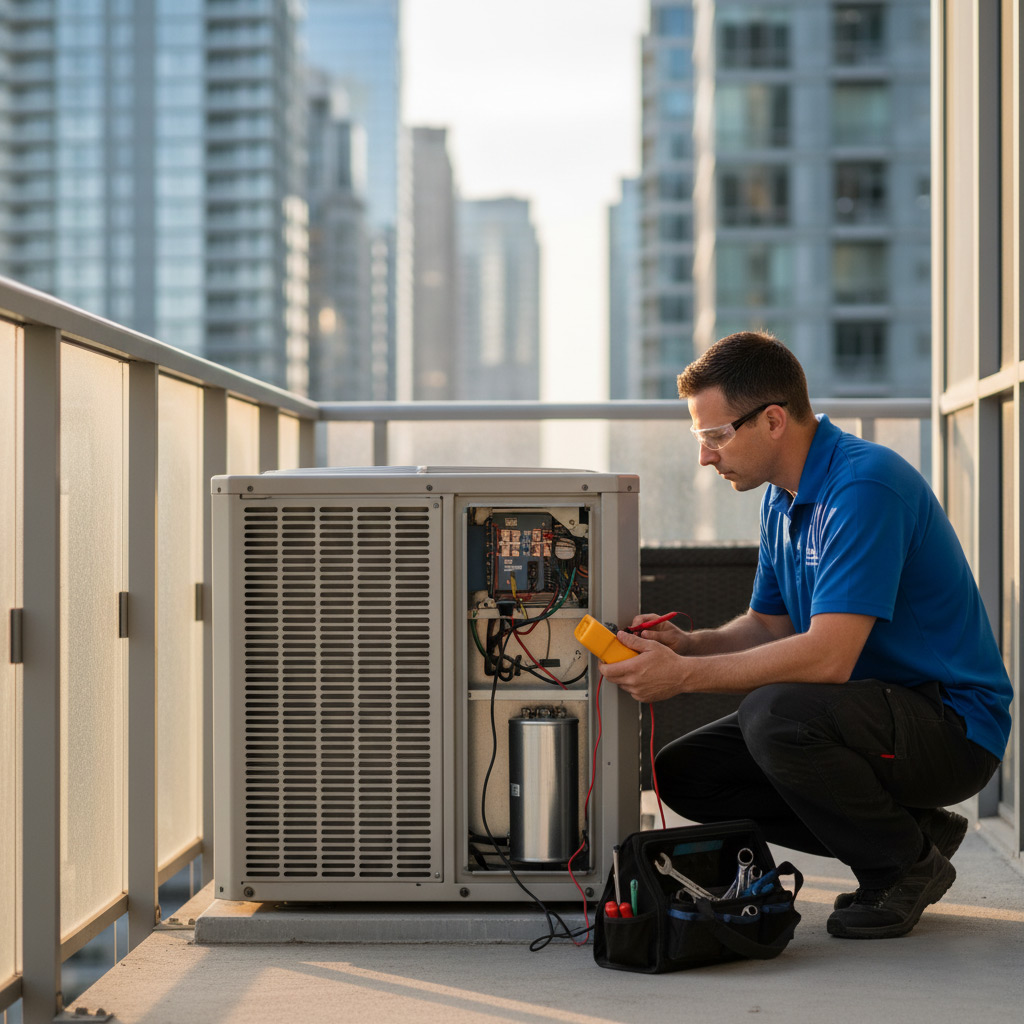
Optimizing Airflow and Zoning for Energy Savings in Manufacturing Facilities
Map the Flow
First, walk the plant with a handheld anemometer. Measure velocity at each supply and return. Spot the dead zones and the high‑velocity corridors.
Turn those numbers into a simple diagram. Then you can:
- Resize ducts that are oversized.
- Install dampers where airflow is excessive.
- Seal gaps that let conditioned air escape.
Zone Like a Pro
Break the floor into logical zones—assembly, paint, storage. Each zone gets its own thermostat and a variable‑speed fan.
When the paint line is idle, the fan drops to a whisper. When the assembly line ramps up, the fan kicks in just enough to keep temps steady. Result? You’re only heating or cooling what you actually need.
Fine‑Tune the Details
Don’t forget the small stuff: check diffusers for blockage, clean filters weekly, and verify that pressure balances are set correctly.
These tweaks cost pennies but save dollars. A plant that tightens its airflow can shave 10‑15% off its utility bill without buying new equipment.
Leveraging Advanced Controls and IoT for Real‑Time Monitoring
Why Real‑Time Data Beats Guesswork
When you can see temperature, pressure, and airflow numbers as they happen, you stop reacting and start controlling. Instant alerts let you catch a coil that’s about to freeze before it shuts down the line. That’s money saved before the bill even arrives.
IoT Sensors: The Eyes and Ears of Your Plant
Modern sensors slip into ducts, chillers, and exhaust fans without a fuss. They feed a cloud dashboard that any manager can open on a tablet.
- Temperature drift – spot a 2°F rise and adjust a damper.
- Energy draw spikes – see a motor pulling 15% more power, then fine‑tune the VFD.
- Humidity swings – keep product tolerances tight without manual checks.
Getting Started Without Breaking the Bank
Pick a platform that talks to the brand of equipment you already own. Don’t buy a whole new system just to get data. Connect a handful of key points first, then expand.
- Map critical zones – production floor, storage, and office.
- Set thresholds – a red line for each metric that triggers an SMS or email.
- Review weekly – use the reports to tweak setpoints and shave off waste.

Selecting the Right Equipment and Retrofit Options for Chula Vista Climate
Climate‑Specific Sizing
Chula Vista’s coastal breezes keep nights cool, but summer afternoons can push temperatures past 95°F with high humidity. Choosing units with a higher sensible heat ratio and corrosion‑resistant coils prevents premature rust. Don’t guess—run a load calculation that factors in solar gain through roof glazing and the extra load from humid air.Smart Retrofit Choices
Instead of ripping out the whole system, consider upgrades that deliver the biggest bang for the buck:- Variable‑speed drives on compressors – they trim power draw when load dips.
- EC (electronically commutated) fans – quieter, cooler, and they cut electricity use dramatically.
- Heat‑recovery ventilators – capture waste heat and feed it back into the process air.
- Smart dampers – let you fine‑tune zoning without a full redesign.
Each of these options plugs into a modern controller, so you get instant feedback on savings.
Choosing a Partner Who Gets the Local Weather
Look for a supplier that stocks parts built for salty air and can dispatch service techs within a day. A solid warranty that covers both the original equipment and any retrofit modules is a must. When the vendor knows the Chula Vista micro‑climate, they’ll help you avoid the hidden pitfalls that keep other factories in the dark.Case Study: How XYZ Manufacturing Cut Energy Use 30% with Targeted HVAC Upgrades
XYZ Manufacturing, a mid‑size metal‑finishing plant in Chula Vista, was bleeding cash on HVAC bills that jumped every summer. Their old units ran 24/7, and the maintenance crew was stuck reacting to breakdowns instead of preventing them.
The Upgrade Blueprint
We started with a laser‑focused audit and rolled out three high‑impact changes:
- Variable Frequency Drives (VFDs) on all major fans – they now spin only as fast as the process demands.
- Zone‑based controls that let each production area set its own temperature set‑point, eliminating wasteful over‑cooling.
- IoT temperature and pressure sensors feeding real‑time data to a cloud dashboard, so the manager can spot a spike before it becomes a crisis.
Bottom‑Line Impact
Within six months the plant saw a 30% drop in HVAC energy consumption, translating to roughly $120,000 saved annually.
- Payback period: 9 months.
- Unplanned downtime fell by 45% thanks to predictive alerts.
- Equipment lifespan extended by an estimated 3‑5 years.
Final Words
When you stop treating HVAC like an after‑thought and start treating it like a profit center, the whole plant feels the difference. The tricks we’ve covered aren’t secret—just the ones most managers overlook.
Three quick actions you can take today
- Audit your zone controls and tighten any dead‑ends that waste conditioned air.
- Schedule a sensor calibration before the next peak‑load week.
- Swap out any aging fan belts with low‑stretch, high‑temperature models.
Those moves alone can shave off a noticeable chunk of your utility bill. If you need a deeper dive, our team can run a free energy audit and map out a roadmap that fits the Chula Vista climate like a glove.
Ready to see real results? Check out our Industrial HVAC services for a full picture of what’s possible
People Also Ask
What hidden costs arise from an inefficient industrial HVAC system?
Inefficient HVAC units increase energy bills, accelerate wear on equipment, and can cause costly production downtime due to overheating or poor air quality. They also lead to higher maintenance expenses and potential fines for not meeting environmental regulations.How can proactive maintenance reduce unexpected HVAC failures in factories?
Regular inspections, filter replacements, and performance testing catch wear before it causes breakdowns. Implementing a scheduled maintenance plan minimizes surprise outages and extends the lifespan of critical components.Why is airflow zoning important for energy savings in manufacturing facilities?
Zoning allows different areas of a plant to receive only the heating or cooling they need, preventing wasteful conditioning of unused spaces. This targeted approach can cut energy consumption by up to 25% in large facilities.Can IoT controls really improve real‑time HVAC monitoring?
Yes, IoT sensors provide continuous data on temperature, humidity, and system performance, enabling instant adjustments and predictive alerts. This real‑time insight helps maintain optimal conditions while reducing energy waste.What retrofit options work best for Chula Vista’s climate?
High‑efficiency variable speed drives, upgraded insulation, and corrosion‑resistant components are ideal for the warm, coastal environment. These upgrades improve reliability and lower cooling loads during hot summer months.
Chula Vista HVAC has served the Chula Vista community for over a decade, delivering reliable heating and cooling solutions. Their certified technicians combine local knowledge with industry expertise to ensure comfortable indoor environments. Committed to responsive service, they tailor each installation and repair to the unique needs of Chula Vista residents.
Need HVAC?
We provide fast, reliable HVAC service and installation in Chula Vista (91910, 91911, 91913, 91950, 91902) and surrounding neighborhoods, restoring comfort within hours of a call. Our technicians arrive promptly and complete work efficiently to keep your home or business running smoothly.
Request a fast quote