
You’re about to drop a few thousand dollars on a new HVAC system—don’t let a rookie mistake turn that investment into a money pit.
In Chula Vista the heat can be relentless, and a mis‑sized unit or a cheap install can leave you sweating or shivering all year long.
From picking the right contractor to getting the proper permits, the little details are what separate a smooth upgrade from a costly nightmare.
Stick around and we’ll walk you through the exact steps to keep your wallet and your home comfortable.
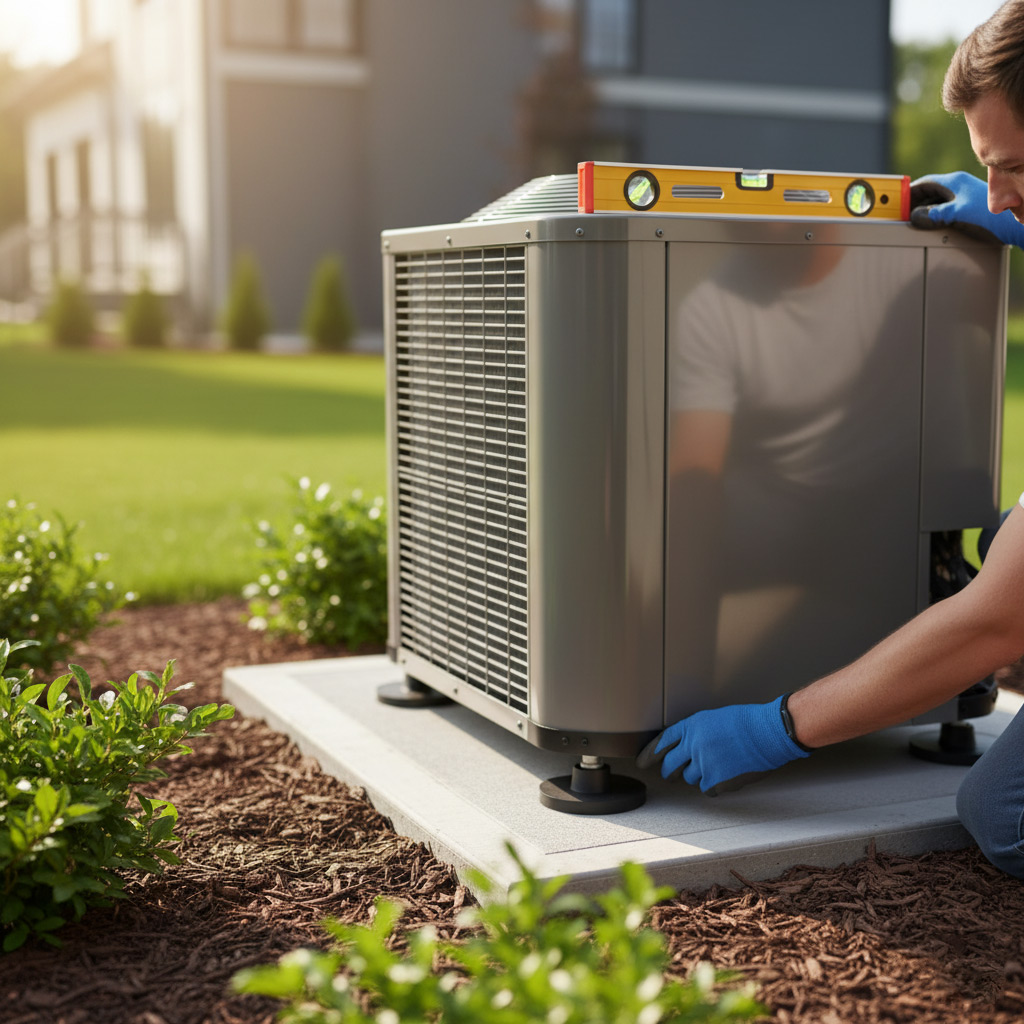
Assessing Your Home’s Load Requirements: Proper Sizing for Chula Vista Climate
Why Size Matters
Too big and you’ll waste energy; too small and you’ll be stuck in a sauna or an ice box. Getting the load right means your system runs at its sweet spot, saving you cash and keeping comfort steady.
Key Factors to Crunch
Chula Vista’s coastal breezes and inland heat create a unique load profile. Run the numbers on these variables:
- Square footage – bigger rooms need more BTU.
- Window orientation – south‑facing glass adds heat in summer.
- Insulation quality – leaky walls steal efficiency.
- Occupancy and appliances – more people and gadgets raise demand.
How to Get an Accurate Load Calculation
Don’t rely on the “rule of thumb” that says 20 BTU per square foot. Call a certified technician for a Manual J assessment. They’ll use climate data, ceiling height, and duct leakage to give you a precise figure.
When the load is spot‑on, your new HVAC will hit the thermostat’s set point in minutes, not hours. That’s the difference between a smart investment and a money‑draining regret.
Choosing the Right HVAC System Type: Central AC, Heat Pump, or Ductless Options
In Chula Vista you’re not just picking a machine—you’re choosing how your home will breathe, stay cool, and stay warm year‑round. The right system can shave dollars off your utility bill and keep you comfortable when the sun blazes or the fog rolls in.
Central Air Conditioning
Central AC is the classic choice for larger homes with existing ductwork. It delivers consistent temperature across every room, but it demands a well‑sealed duct system to avoid hidden losses. If your house already has a solid duct network, this option often gives the best bang for the buck.
Heat Pump
A heat pump works both ways—cooling in summer, heating in winter—by moving heat instead of generating it. In a mild climate like Chula Vista’s, a modern heat pump can be *up to 30% more efficient* than a traditional furnace. Just remember: you’ll need a properly sized outdoor unit to avoid short‑cycling.
Ductless Mini‑Split
Ductless systems shine in homes where adding ducts would be a nightmare. Each indoor unit talks directly to its outdoor companion, giving you zone control down to the bedroom. They’re quieter, easier to install, and perfect for additions or rentals.
- Central AC: Best for whole‑house coverage, requires existing ducts.
- Heat Pump: Dual‑function, high efficiency, ideal for moderate winters.
- Ductless Mini‑Split: Flexible zoning, minimal installation, great for retrofits.
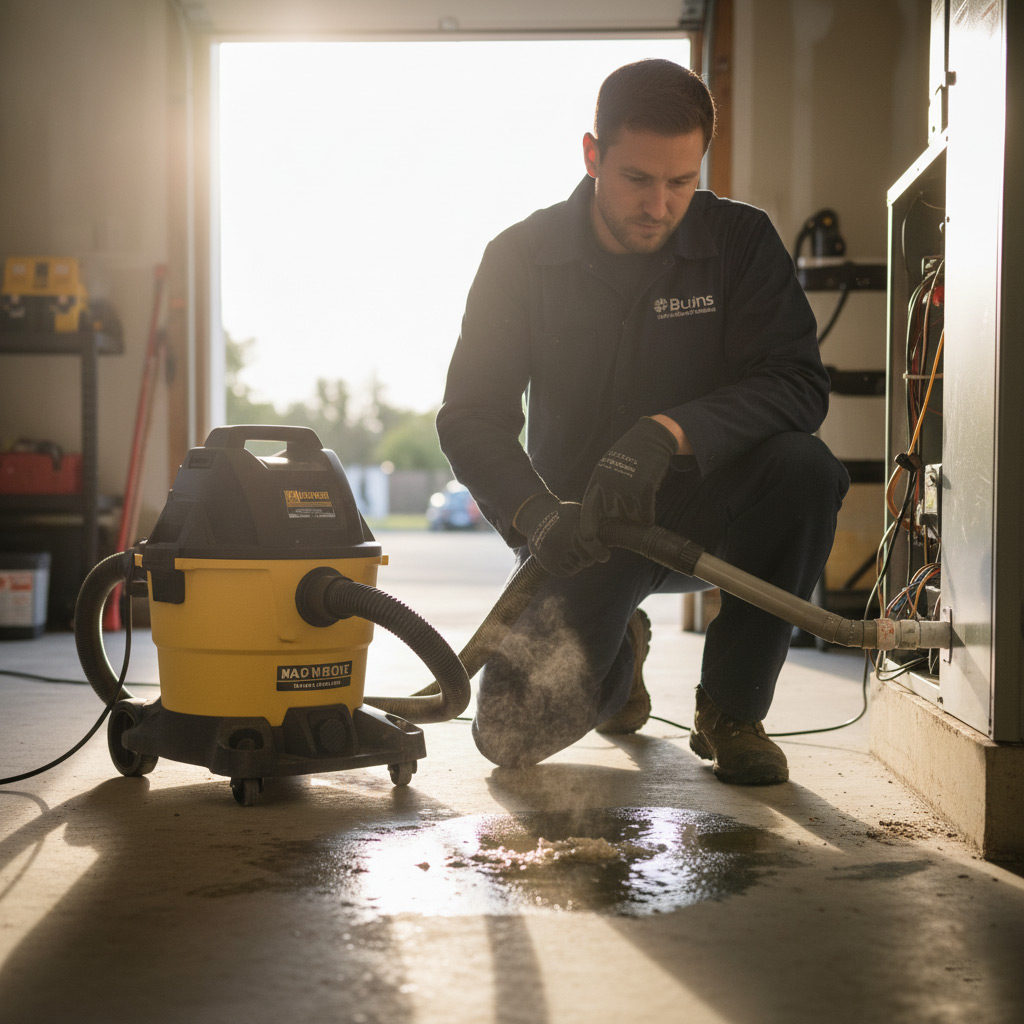
Vetting Contractors: Licenses, Reviews, and Local Experience
Check the License
First thing’s first—ask for the contractor’s California C‑20 HVAC license and verify it on the Contractors State License Board site. Without a valid license, you’re gambling with safety and code compliance. A quick phone call can save you weeks of headaches.
Read the Real Talk
Online ratings are useful, but dig deeper than the star count. Look for comments about timeliness, clean‑up, and how the crew handled unexpected issues.
- “They showed up on time, explained every step, and left the yard spotless.”
- “We had a hiccup with the ductwork, and they fixed it without extra charge.”
- Beware of generic praise that sounds like a press release.
Local Know‑How Matters
Chula Vista’s micro‑climate isn’t the same as inland San Diego. A contractor who’s installed systems in the bay area will know the best placement for sea‑breeze airflow.
- Ask for recent projects within a 10‑mile radius.
- Request references from neighbors—nothing beats hearing from someone who lives next door.
- Confirm they understand San Diego County permit quirks; a seasoned local will have the paperwork ready.
Understanding Permits and Regulations in San Diego County
Why permits matter
Skipping the permit process is a shortcut that ends in a costly re‑work. San Diego County requires a building permit for any HVAC replacement that alters ductwork, electrical connections, or the unit’s location. Without it, you risk fines, failed inspections, and a resale nightmare.
What you need to file
Before the first screw is turned, gather these items:
- Completed HVAC sizing report that shows the unit matches your home’s load.
- Contractor’s California State License Board (CSLB) number and proof of insurance.
- Detailed layout showing where the new equipment will sit, including clearances.
Submit the packet to the San Diego County Development Services Department. They’ll issue a permit number that the installer must stamp on every sheet of work.
Inspections you can’t ignore
Two inspections are standard: a rough‑in check after ductwork is in place, and a final walk‑through once the system is running. The inspector will verify proper venting, refrigerant lines, and electrical grounding. If anything’s off, you’ll get a “stop‑work” notice—fix it, then you’re good to go.
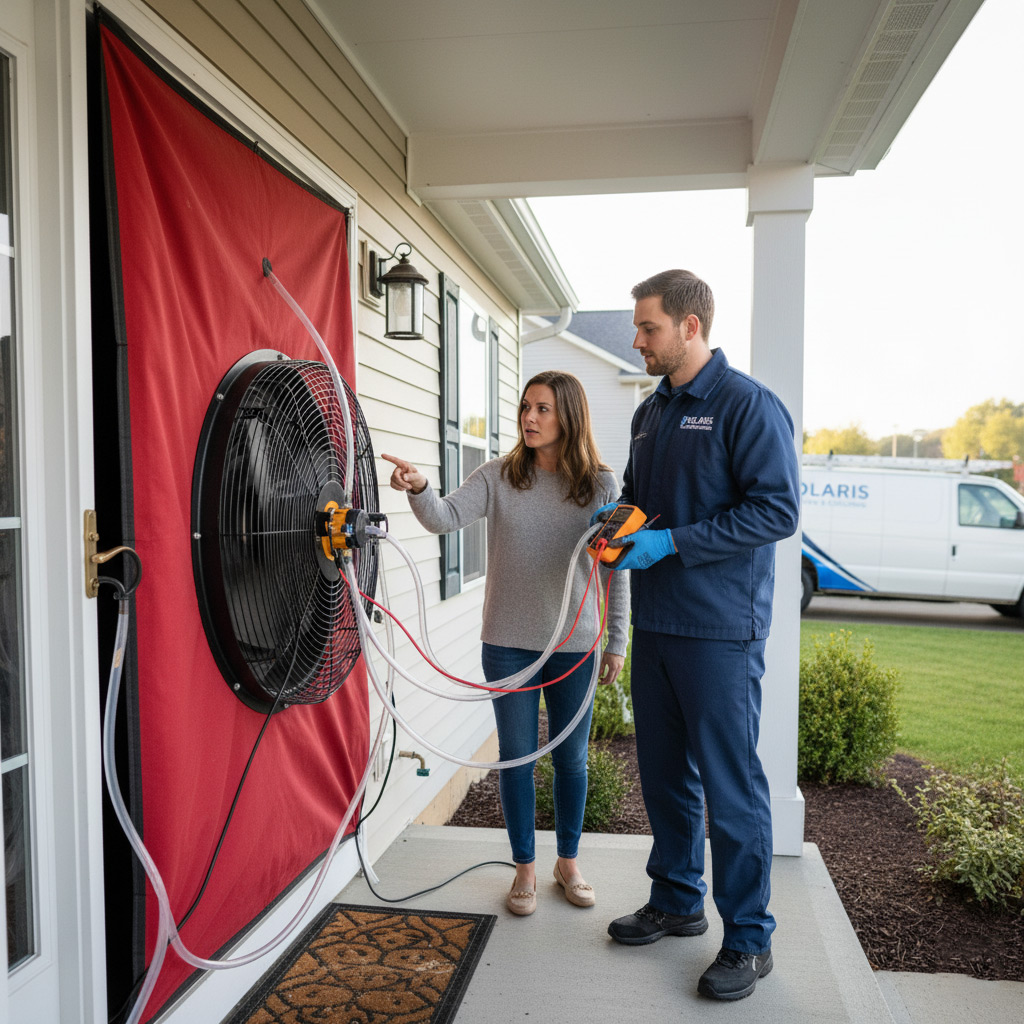
Avoiding Common Installation Pitfalls: Ductwork, Placement, and Insulation
Ductwork: Size Matters
Too small a duct is a recipe for weak airflow; too big and you waste energy. Measure twice, cut once—the old carpenter’s rule works for HVAC too.
Watch for these red flags:
- Leaky seams that hiss like a broken pipe.
- Sharp bends that choke the breeze.
- Insufficient insulation around ducts in the attic.
Placement: Keep It Cool
The unit’s spot can make or break comfort. Avoid corners where sunlight bakes the coil or closets that trap heat.
Key placement tips:
- Leave at least 12 inches of clearance around the outdoor condenser.
- Mount the indoor air handler away from kitchen exhausts.
- Ensure easy access for future service—no hidden panels.
Insulation: Seal the Deal
Even the best system sputters if the house leaks. Proper insulation locks the temperature in and the bills down.
Don’t overlook:
- Sealing all duct joints with mastic, not cheap foil tape.
- Adding R‑value to attic and crawl‑space insulation.
- Wrapping refrigerant lines with a protective jacket.
Case Study: Successful HVAC Replacement in a Chula Vista Family Home
Background & Goals
When the Martinez family moved into their 2,300‑sq‑ft ranch in 2022, they were stuck with a 15‑year‑old split system that sputtered in July and froze in December. Their goal was simple: a reliable, energy‑smart system that could handle the coastal heat without blowing the budget.
They called Coastal Comfort HVAC after reading a handful of five‑star reviews from neighbors. The contractor promised a proper load calculation, a high‑efficiency heat pump, and a clean install—no shortcuts.
The Process
First, a certified technician performed a Manual J load analysis. The numbers showed the old 3‑ton unit was undersized for the sun‑baked living room and oversized for the shaded bedrooms. The result? A 3.5‑ton, SEER‑18 heat pump paired with a variable‑speed air handler.
Next, the crew tackled the ductwork. They sealed every joint with mastic, added insulation to the attic runs, and installed a new return grille in the hallway. The work was done in three days, with minimal disruption.
- Key upgrade: Smart thermostat with geofencing.
- Energy savings: 22% reduction on the first utility bill.
- Comfort boost: Even temperature throughout the house.
Results & Takeaways
Six months later, the Martinez family reports no hot spots, lower energy costs, and a quieter home. The heat pump’s inverter technology adjusts output on the fly, so the system never works harder than it needs to.
What mattered most? Accurate sizing, quality duct sealing, and a contractor who respected permits and local codes. Skip any of those steps, and you’ll end up with the same headaches the Martinez avoided.
Final Words
Before you sign that contract, double‑check the basics: proper sizing, the right system type, and a licensed contractor who knows Chula Vista’s quirks. A quick audit now saves you weeks of regret later.
Keep this cheat sheet handy:
- Load calculation verified by a certified technician.
- Contractor’s license, insurance, and at least 5 recent local reviews.
- All required HVAC Replacement permits filed before the first drill.
- Ductwork inspected for leaks, proper insulation, and correct placement.
When you’re ready, reach out to a reputable Chula Vista installer and ask for a written scope of work. Clear expectations now mean a comfortable home all year long.
People Also Ask
What size HVAC system is ideal for a Chula Vista home?
A properly sized system is determined by a Manual J load calculation that accounts for square footage, insulation, window exposure, and local climate. Oversized units waste energy, while undersized units struggle to maintain comfort.Should I choose a central AC, heat pump, or ductless system for Chula Vista?
Central AC works well for larger homes with existing ductwork, while heat pumps provide both cooling and heating efficiently in mild climates. Ductless mini‑splits are ideal for additions or homes without ducts, offering zone control and energy savings.How can I verify an HVAC contractor’s credibility in Chula Vista?
Check that the contractor holds a valid California C‑20 HVAC license, reviews on Google and Angi, and a proven track record with local projects. Ask for references and proof of insurance before signing a contract.Do I need permits for an HVAC replacement in San Diego County?
Yes, San Diego County requires permits for new installations, duct modifications, and major equipment upgrades. A reputable contractor will handle the permit process and ensure the work meets local building codes.What common installation mistakes should I avoid?
Improper duct sizing, placing the outdoor unit in a shaded or obstructed area, and neglecting proper insulation can reduce efficiency and increase wear. Ensure the installer follows manufacturer guidelines and performs a thorough system test before completion.
Chula Vista HVAC brings over 15 years of residential and commercial climate‑control expertise to the Chula Vista community. Their certified technicians specialize in efficient heating, cooling, and indoor‑air‑quality solutions tailored to local homes and businesses. Committed to reliable service and energy‑saving practices, they keep the area comfortable year‑round.
Need HVAC?
We provide fast, reliable HVAC service and installation in Chula Vista (91910, 91911, 91913, 91950, 91902) and surrounding neighborhoods, restoring comfort within hours of a call. Our technicians arrive promptly and complete work efficiently to keep your home or business running smoothly.
Request a fast quote