If your AC stopped blowing cold on a 95‑degree Chula Vista afternoon, you know the feeling of sweating in your own living room. Most homeowners panic, call the first tech they find, and end up paying for a fix they didn’t need.
In this guide we’ll cut through the jargon, show you how to spot the real culprits, and give you the tools to decide whether you can DIY or need a pro. You’ll learn the warning signs before a total breakdown and the cheap tricks that keep your unit humming all summer.
Stick around, and you’ll walk away with a checklist that saves you time, money, and a whole lot of heat. Ready to take control of your comfort?
Common Air Conditioning Issues Specific to Chula Vista Summers
Chula Vista summers crank the mercury past 95°F while the Pacific brings in a salty, humid breeze that loves to settle inside your home. That combo turns a perfectly fine AC into a sweating mess faster than you can say “heat wave.” When the unit can’t keep up, you’ll notice the symptoms before the whole system quits.
What homeowners see most often
- Weak airflow – the fan spins, but the air feels lukewarm or barely cool.
- Frequent short‑cycling – the compressor turns on and off every few minutes, wasting energy.
- Ice buildup on the evaporator coil – a tell‑tale sign the refrigerant isn’t flowing right.
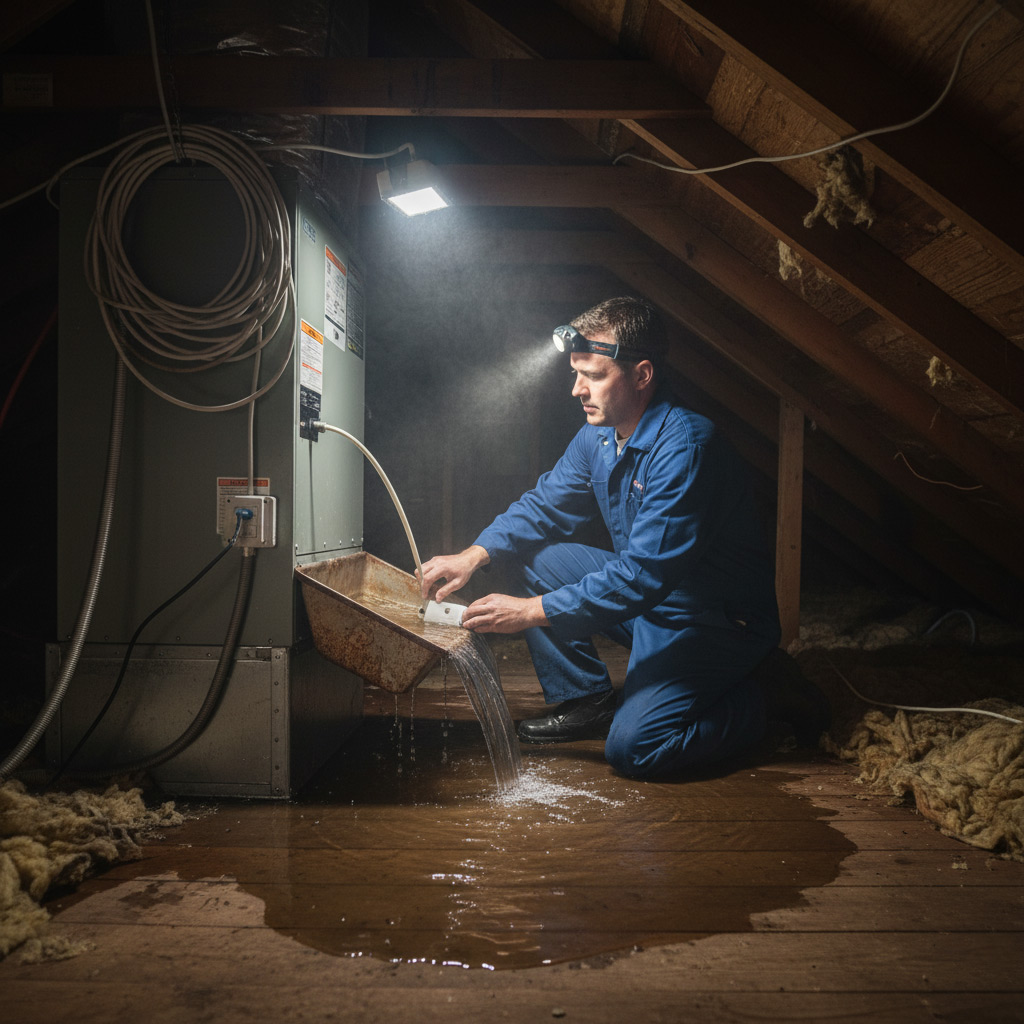
- Water puddles around the indoor unit – often caused by a clogged condensate drain.
These problems aren’t random; they’re the direct result of Chula Vista’s salty air, high humidity, and the relentless sun that forces ACs to work overtime. Ignoring a clogged filter or a leaky duct can turn a minor hiccup into a full‑blown breakdown, leaving you stuck in a sauna on a scorching afternoon.
Step‑by‑Step Diagnostic Checklist: What to Test Before Calling a Tech
Before you dial the next‑door HVAC hero, run through this quick audit. It takes five minutes, saves you a call, and often reveals a simple fix you can handle yourself.
Power and Settings
First, verify the unit is actually getting power. Check the circuit breaker, then make sure the thermostat is set to cool and the fan is on “auto,” not “on.” If the display is blank, the breaker or a tripped fuse is likely the culprit.
Airflow Check
Next, look at the vents and filters. A clogged filter chokes the system and can cause the evaporator coil to freeze.
- Turn off the AC.
- Remove the filter; if it’s dark or dusty, replace it.
- Inspect each vent—make sure nothing blocks the airflow.
Condensate Drain & Ice Build‑Up
Warm, humid nights in Chula Vista can flood the drain pan. A clogged drain makes the unit shut down to protect itself.
- Locate the drain line (usually a PVC pipe near the indoor coil).
- Pour a cup of distilled water through it; if it backs up, the line is blocked.
- Look at the indoor coil; any white frost means the system is freezing—turn it off and let it melt.
Finally, listen for the compressor’s “click” when it starts. No click? The outdoor unit may not be receiving power or the capacitor could be dead. Note what you find, then decide if it’s a DIY fix or time to call a pro.
DIY Repairs You Can Safely Tackle (and When to Stop)
Before you dial a technician, there are a few low‑risk fixes that most Chula Vista homeowners can handle in under an hour. These tricks often restore comfort without opening the warranty or breaking a bank.
Swap the Air Filter – The Quick Win
- Turn off the unit at the thermostat.
- Locate the filter slot (usually behind the return grille).
- Slide out the old filter; note its size.
- Insert a new 20‑30 µm pleated filter.
- Turn the system back on and feel the difference.
A clogged filter forces the blower to work harder, raising energy bills and causing premature wear. If the airflow improves, you’ve likely averted a bigger problem.
Clean the Condenser Coils – A Little Sweat, Big Reward
- Shut off power at the breaker.
- Remove debris from around the outdoor unit.
- Spray a coil‑cleaner foam, let it sit 10 minutes.
- Rinse gently with a garden hose (no high‑pressure jet).
- Re‑assemble and restore power.
Clear coils boost heat exchange efficiency, which can shave 5‑10 % off your monthly electric bill. If the unit still struggles to reach set temperature, it’s time to move on.
When to Call the Pros – Know the Line
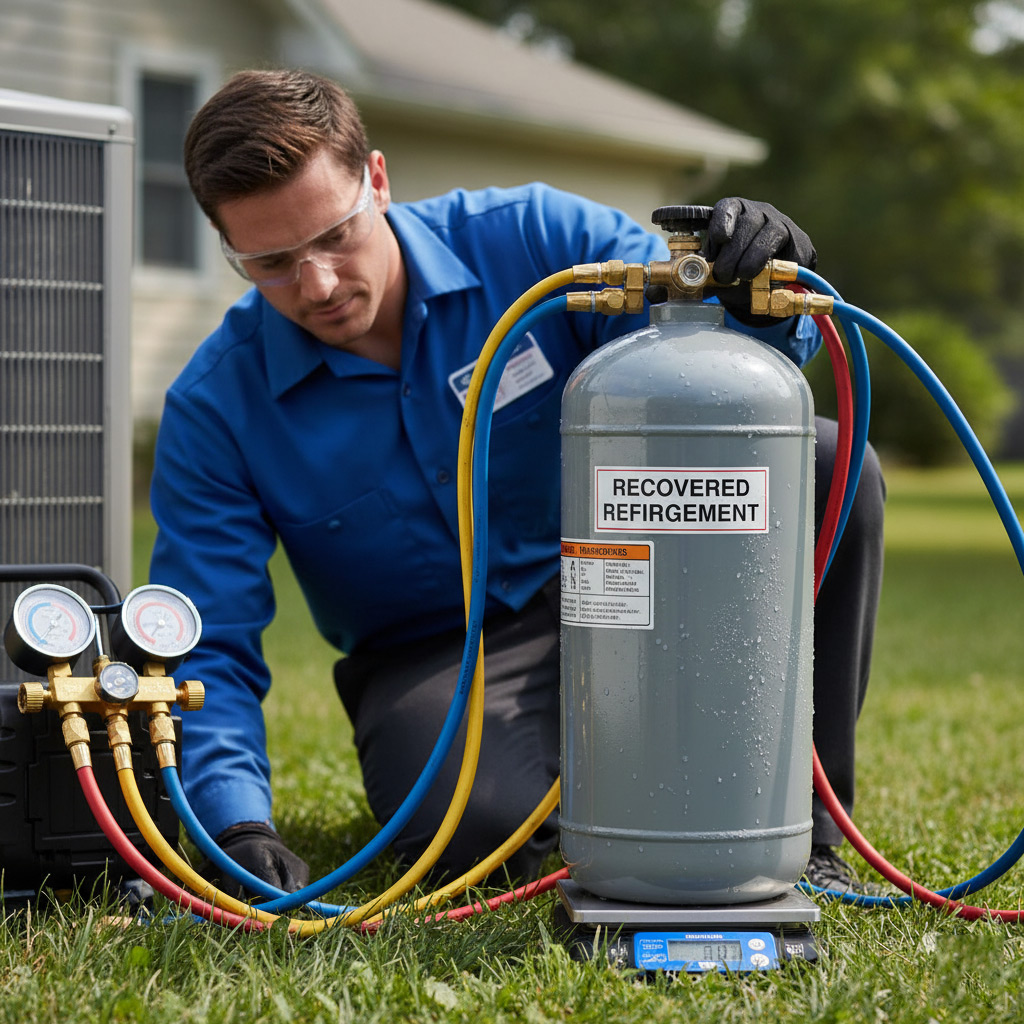
- Refrigerant leaks or low charge – you need a licensed tech.
- Strange noises (screeching, grinding) that persist after basic checks.
- Electrical issues – tripped breakers, burnt smells, or blown fuses.
- Repeated short‑cycling after a simple reset.
These signs point to deeper system faults. Trying to fix them yourself can void warranties and create safety hazards. Call a certified Chula Vista HVAC specialist before the problem spirals.
Red Flags That Signal You Need a Professional HVAC Technician
Strange Noises That Won’t Quit
If your unit starts rattling, squealing, or grinding, it’s not just a nuisance—it’s a warning sign. Those sounds often mean a motor, fan blade, or belt is on the brink of failure. Ignore it, and you risk a total shutdown mid‑summer.
Foul Odors That Linger
Musty, burning, or chemical smells are more than unpleasant; they indicate possible refrigerant leaks, electrical issues, or mold growth inside the ducts. When the air smells off, call a pro before the problem spreads.
Performance Drops That Defy Logic
Even after cleaning filters, the AC struggles to reach the thermostat setting, or the airflow feels weak. This could be a sign of a refrigerant charge problem, a clogged coil, or a failing compressor. These aren’t DIY fixes.
- Frequent short‑cycling (turning on and off quickly)
- Water pooling around the indoor unit
- Electrical breakers tripping when the AC runs
Each of these symptoms points to a deeper issue that requires specialized tools and expertise. When you see any of them, schedule a certified technician—your comfort and safety depend on it.

How to Choose a Reliable AC Repair Service in Chula Vista
License, insurance, and certifications
First thing’s first: ask for a copy of the contractor’s California C‑20 license. It proves they’ve passed the state exam and can legally work on HVAC systems. Insurance isn’t optional—a reputable tech will show you a certificate of liability and workers’ comp coverage before they lift a wrench.
Pricing transparency and guarantees
Good companies hand you a written estimate that breaks down labor, parts, and any extra fees. Look for a flat‑rate price on common repairs like a refrigerant leak or capacitor swap, and a clear warranty on both parts and labor. If the quote feels vague, walk away; the next tech will be happy to explain.
Local reputation and experience
Chula Vista’s salty air can corrode coils faster than most places, so you need a crew that knows the local climate. Check these quick signs:
- Google reviews with recent 5‑star comments about “quick response” and “no surprise charges.”
- References from neighbors who survived a heat wave with a fully functional unit.
- Experience with the exact make and model you own—ask for a list of brands they service daily.
When a company ticks all three boxes, you’ve found a partner who’ll keep your home cool without draining your wallet.
Case Study: Rapid Resolution of a Total AC Failure in a Chula Vista Home
The Situation
On a scorching July afternoon, the Martinez family called us after their central air unit stopped blowing any cold air. The thermostat displayed “Off,” the fan was humming, but no cool air reached any room.
Key symptoms we identified:
- Zero airflow from vents
- Thermostat reading stuck at 78°F
- Unusual buzzing sound from the outdoor condenser
The Action Plan
Our tech arrived within 45 minutes, ran a quick diagnostic, and discovered a tripped high‑limit switch caused by a clogged condenser coil.
Steps taken on the spot:
- Turned off power, inspected and cleaned the coil with a garden‑hose and coil‑clean spray.
- Reset the high‑limit switch and verified proper refrigerant pressure.
- Tested the blower motor and confirmed normal airflow.
The Result
Within 30 minutes the system was back to full capacity, delivering 18°F cooler air throughout the house. The Martinez family saved a potential $1,200 replacement bill and learned that a simple coil cleaning can prevent a total shutdown.
Lesson learned: regular maintenance on the outdoor unit is the cheapest insurance policy against a summer‑wide heat wave.
Final Words
Before you let the next Chula Vista heat wave catch you off guard, lock in the habits that keep your AC humming. Regular filter swaps, a quick visual of the outdoor coil, and a monthly thermostat check are all under‑30‑minute tasks that pay off in cooler rooms and lower bills.
Keep the Checklist Handy
- Inspect the condensate drain line – clear clogs before they turn into water damage.
- Listen for odd noises – rattles, squeals, or humming can signal a failing motor.
- Watch the temperature drop – a 5‑degree lag often means low refrigerant.
When those red flags appear, don’t gamble with a DIY fix that could void your warranty. Instead, reach for a vetted pro who knows the quirks of Air Conditioning Repair in Chula Vista. A reputable tech will confirm the issue, give you a clear estimate, and get you back to comfort without surprise charges.
People Also Ask
What are the most common AC problems during Chula Vista summers?
High humidity and extreme heat often cause refrigerant leaks, clogged condensate drains, and overheating compressors. These issues reduce efficiency and can lead to frequent cycling or complete system shutdown.
Can I troubleshoot my AC before calling a technician?
Yes. Start by checking the thermostat settings, resetting the breaker, and inspecting the air filter. If the unit still won’t cool, test the outdoor condenser fan and look for visible signs of damage.
Which DIY AC repairs are safe for homeowners in Chula Vista?
Replacing a dirty or clogged air filter, cleaning the condenser coils, and clearing debris around the outdoor unit are low‑risk tasks. Avoid handling refrigerant or electrical components unless you’re certified.
When should I stop a DIY repair and call a professional?
If you encounter refrigerant leaks, strange odors, buzzing noises, or the unit won’t start after basic checks, it’s time to call a licensed HVAC technician. Continuing could cause further damage or safety hazards.
How do I pick a trustworthy AC repair service in Chula Vista?
Look for companies with local licenses, positive Google reviews, and clear warranty terms. Ask for a written estimate and verify that their technicians are NATE‑certified for added confidence.

Chula Vista HVAC brings over 15 years of residential and commercial climate‑control expertise to the Chula Vista community. Their certified technicians specialize in efficient heating, cooling, and indoor‑air‑quality solutions tailored to local homes and businesses. Committed to reliable service and energy‑saving practices, they keep the area comfortable year‑round.
Need HVAC?
We provide fast, reliable HVAC service and installation in Chula Vista (91910, 91911, 91913, 91950, 91902) and surrounding neighborhoods, restoring comfort within hours of a call. Our technicians arrive promptly and complete work efficiently to keep your home or business running smoothly.
Request a fast quote